Saltwater fly fishing can involve a lot of gear. Between the rods, reels, lines, flies, wading boots, and sunglasses, it’s easy to feel like you need a truckload of equipment before you ever hit the water.
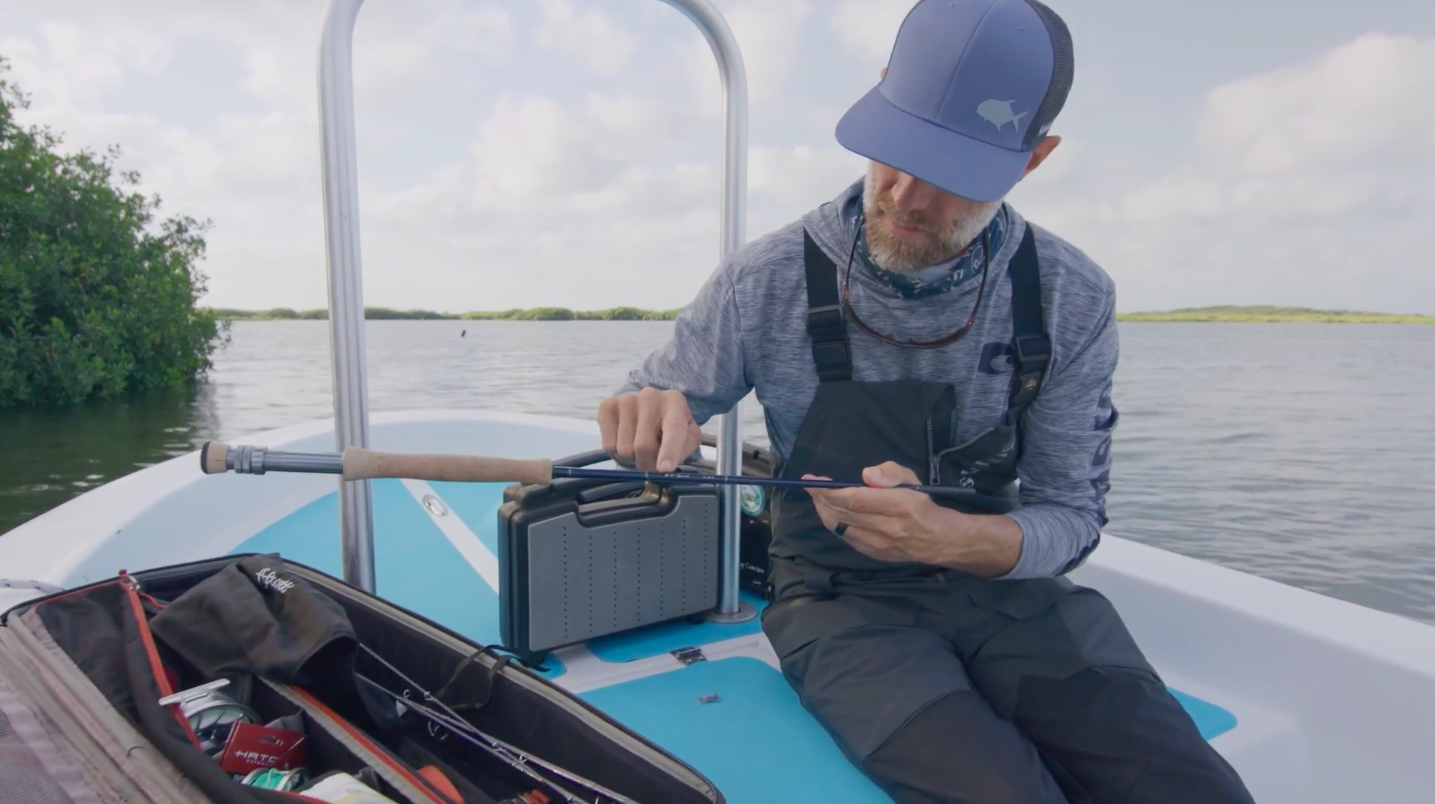
Fortunately, you can keep things much simpler than that. A few well-chosen rods will prepare you for many of the most popular saltwater species. Whether you’re traveling to Belize, Mexico, Cuba, the Seychelles, or staying closer to home, here’s what Wil Flack says you should have in your rod case.
Start With a Simple Saltwater Fly Fishing Travel Setup
It’s easy to overpack for a saltwater fly fishing trip. Different species, destinations, and water conditions can all seem to require their own equipment. In reality, though, three rod setups will cover most of the fishing a traveling angler is likely to encounter.
Start with an 8-weight rod for bonefish, a 9-weight for permit, and a 10-weight for larger permit and smaller tarpon. Pair each rod with a dependable saltwater reel and a floating fly line. Since these fish are often targeted in shallow water, that basic combination will work in many popular saltwater destinations.
Together, those three setups give you enough variety to target several species without packing more gear than you need. You can then add a heavier rod or a different line when a specific trip calls for it. For example, large tarpon will require heavier equipment, but there’s no reason to carry that setup on every trip.
Choose Your Fly Rod Based on the Species
The size and strength of the fish you’re targeting will determine which rod you need. A lighter rod works well for bonefish on shallow flats, while tarpon require more power.
For bonefish, an 8-weight fly rod is usually the best place to start. Bonefish are often spotted tailing or pushing wakes through shallow water. An 8-weight gives you enough strength to fight them while still allowing you to place the fly accurately.
When you move up to permit, you’ll want a 9-weight rod. Permit are stronger and can be more demanding to fight, so the extra weight gives you better control. At the same time, the rod is still light enough to make the careful casts required on the flats.
A 10-weight rod is better suited for larger permit and smaller tarpon. It offers more power than a typical flats rod without being as heavy as the equipment used for full-grown tarpon.
Large tarpon require another step up. If you’re fishing during the Florida tarpon migration, bring an 11- or 12-weight rod. These heavier rods are built to cast larger flies and handle the force of a big tarpon once it takes off.
Match the Fly Line to the Water
Your fly line should match the depth of the water you’ll be fishing. Since bonefish, permit, and smaller tarpon are often found on shallow flats, a floating saltwater line will cover most of those situations.
A floating line keeps the fly from sinking too quickly and makes it easier to control your presentation in shallow water. It’s also the most versatile option, which is why it works well with the 8-weight, 9-weight, and 10-weight rods in a basic travel kit.
If bonefish move into deeper water, you may still be able to use the same line. Instead of changing the entire setup, your guide may tie on a longer leader and a heavier fly. That allows the fly to sink farther while the main line remains on the surface.
An intermediate line makes more sense when you need to fish below the surface, particularly when targeting large tarpon. An intermediate-tip line sinks only at the end, while a full intermediate line sinks along its entire length. The water depth and fishing conditions will determine which one works better.
Pair Each Rod With a Reliable Saltwater Reel
Finally, the reel needs to match both the rod and the fish you plan to target. Bonefish, permit, and tarpon can all make fast, powerful runs, so this isn’t the place for a reel that may struggle under pressure.
Choose a saltwater reel in the appropriate size for your rod. It should hold the correct fly line along with enough backing for a fish that takes off across the flats.
You’ll also want a smooth, dependable drag. The drag controls how easily a fish can pull line from the reel, helping you maintain pressure without breaking the leader. Because saltwater can quickly damage fishing equipment, look for a reel made to withstand regular exposure to it.
Put Together a Kit That Works for You
At the end of the day, saltwater fly fishing gear can add up quickly, especially when every rod, reel, and line seems useful. But rather than trying to prepare for every possible situation, focus on the species you plan to target and the conditions you’re most likely to encounter. You can always add another setup when a future trip gives you a reason to use it.
For a more complete breakdown, check out Wil’s full saltwater fly fishing class. He covers everything from rods and reels to leader systems and terminal tackle, so you’ll know what to pack before your next trip.