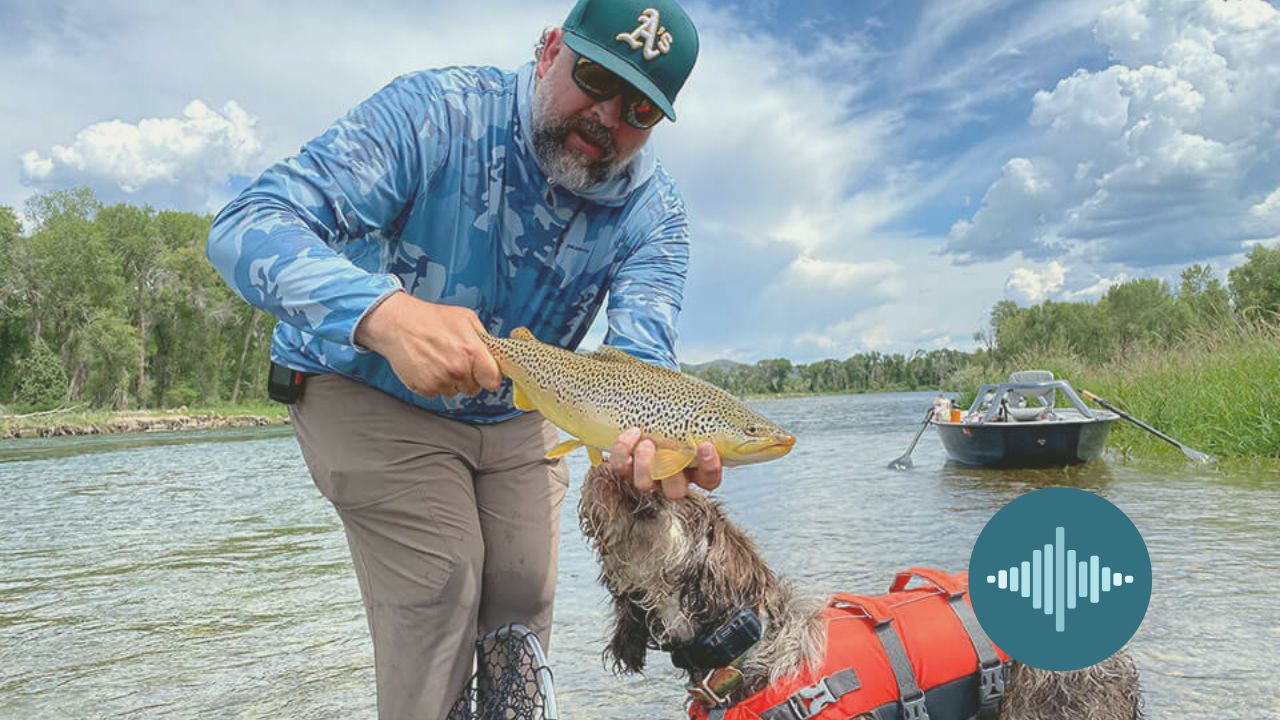

When anglers talk about reading water, they often think it means finding fish in lakes and streams. That’s part of it, but Gary Borger reminds us there’s more.
Fish follow three simple rules that shape every move they make: save your butt, fill your gut, and have kids. Survival always comes first. When we understand that, we start to see the river through their eyes, think like predators, and approach each piece of water with more intention.
The Three Lies Trout Use
Fish cannot sit in heavy current for long because their muscles tire just like ours do. This is why they hold in places where the flow gives them a break. These holding spots are known as lies.
1. Sheltering Lies
Sheltering lies only provide safety. They sit under rocks, logs, weed beds, deep water, or broken surface chop that hides trout from predators above. You rarely catch fish in these spots, yet you should always notice them. When a trout is hooked, it will run straight to shelter, so knowing these hiding places helps you manage the fight before it even begins.
2. Feeding Lies
These lies provide food with little cover. These are the shallow edges of riffles and pools or the tailout of a pool. Trout move here when food is plentiful, especially during a hatch. Since the water is shallow, they are exposed and easily spooked. Step softly, watch your line, and avoid dropping anything on the surface that could startle them.
3. Prime Lies
Prime lies offer both food and safety. They give trout a steady supply of food and enough protection to feel secure. One of the clearest examples is where a riffle spills into a pool. The broken water overhead keeps predators from spotting them while the current above carries food straight to them. When there is no surface activity, this is often the first place to look. Trout can sit low, save energy, and feed all day as nymphs drift past.
Current Tongues, Confluences, And Pocket Water
Some stretches of river look busy, yet trout treat them with the same priorities: rest, food, and safety.
- Current Tongues: A current tongue is a concentrated ribbon of flow. Trout usually hold along the softer edges where the current slows just enough for them to watch food drift past. Step quietly here, since sudden movement can push fish into the fast seam where they are harder to reach.
- Confluences: When two currents meet, they form a clean seam often marked by a foam line. This seam carries a steady supply of food. A natural drift along it is effective when there is no hatch, and during rising activity, keeping drag out of the presentation becomes the priority.
- Pocket Water: Rocks create pockets of calm water. Trout often slide into the cushion on the upstream side or the soft water behind the rock, where the flow slows, and food collects. The best casts land where this quieter water meets the seam.
Riffles, Pools, And The Secret River
Riffles, pools, and quiet edges all give trout different ways to rest and feed.
- Riffles: Standing waves show where rocks sit below the surface. Between those waves, the current softens, creating slow lanes near the bottom. Trout slide into those hydraulic slips because they can feed steadily and stay hidden from predators above.
- Pools: Pools give you three reliable places to check. The head of the pool brings food in with speed. The middle often has foam lines that guide your drift and undercut banks that offer shelter. The tailout draws rising fish during a hatch, although the shallow water makes them cautious. Cast from above so the fly reaches them before the leader, and your drift stays clean.
- The Secret River: Most anglers step over one of the most productive spots. The inside edge of the river, right along the bank, often holds big trout that cruise for food. Always fish this quiet water before you wade through it.
Light, Drag, And Casting Choices
Light influences trout behavior through safety rather than comfort. Bright conditions make fish seek shadowed water where they feel protected. Even when the surface looks calm, subtle currents can pull your line and create drag.
The best presentations put the fly in front of the leader, so the fish sees the fly first. A down-and-across approach with the fly leading is one of the easiest ways to keep the drift natural.
Lakes Require A Different Read
Stillwater works differently because trout move instead of the current. Focus on travel lanes along drop-offs, weed beds, shallow flats, and boulder fields, since these areas gather insects and cruising fish.
Damsel flies are a prime example. In the morning, the nymphs swim from weeds to shore and crawl out to hatch. Fish cruise the edges to intercept them. In the afternoon on sunny days, the adults return to lay eggs around weeds, so trout work those lines again. If nothing is happening on top, find the right depth. Sometimes a short count is the entire pattern.
Boats can scare fish off, so let the wind drift you, anchor quietly, and watch from shore before moving in.
Spring Runoff And Nymph Tactics
High, fast, stained water pushes trout toward the bank and into any pocket that offers a break in the flow. These quiet edges should be your first targets. Getting the fly down is the priority, so a sinking line or extra weight can make a noticeable difference.
When there is no surface activity at seams or confluences, nymphs close to the bottom and keep the fly in the strike zone as long as possible. Many modern nymphing approaches were developed to hold depth and manage drag for this exact situation. The goal is simple. Put the fly where the trout can see it and keep it there long enough for them to eat it.
Keep Learning With Anchored Outdoors
Ultimately, reading water is a skill that grows every time you step outside. When you understand how trout use shelter, food, and safety to make decisions, the river becomes easier to read and your time on the water becomes more productive. The same applies to lakes. Cruising lanes, weed beds, and subtle structure all help you narrow in on where fish want to be.
If you want to keep improving, explore our lineup of upcoming classes and events at Anchored Outdoors. You can also unlock our Premium Insider membership to access in-depth lessons from trusted anglers, including Gary Borger. Each resource is built to help you fish with more confidence and purpose.
📅 Upcoming events: https://anchoredoutdoors.com/calendar/
🎣 Premium Insider access: https://www.AnchoredOutdoors.com/premium-insiders