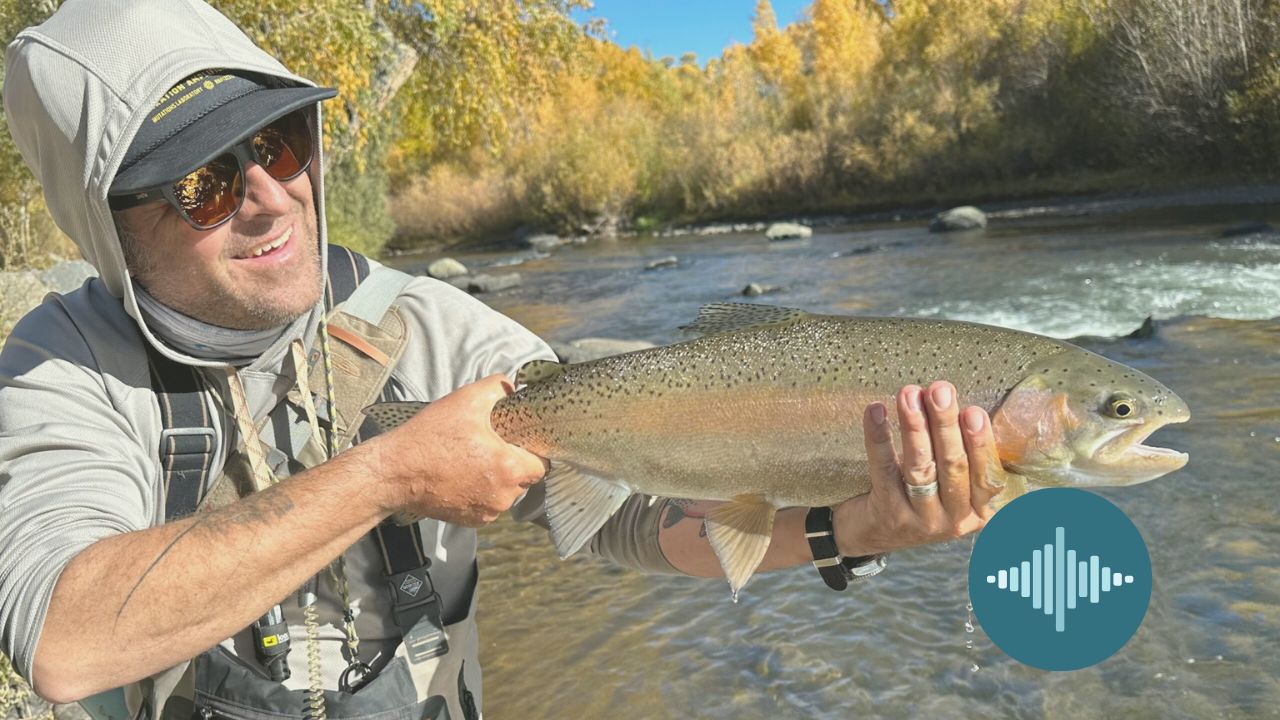
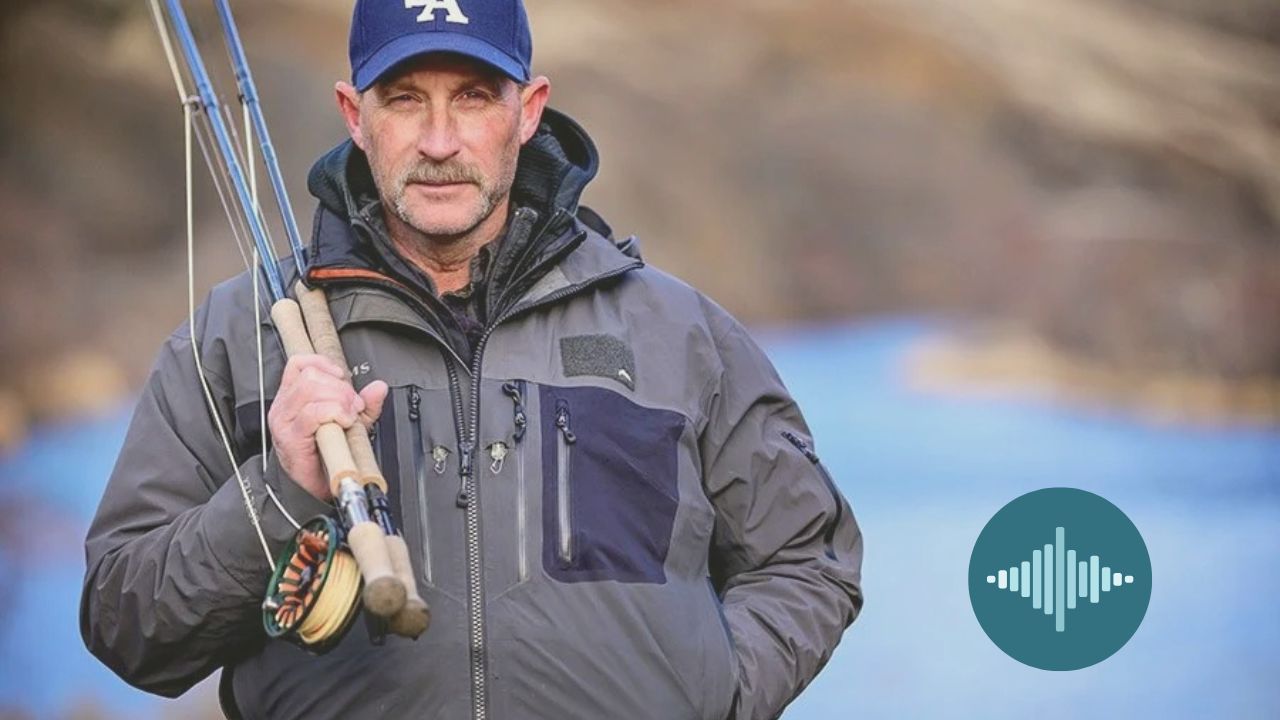
Brian Silvey is a legendary Oregon guide and fly designer who has guided 40 years on the Deschutes and Sandy Rivers. Known for his innovative patterns, he’s guided generations of anglers while sharing a lifetime of knowledge about the rivers, fish, and techniques that define Northwest fly fishing. In this episode of Anchored, he joins us to do just that.
Looking to go deeper with your learning? Come see what we’ve been working on at AnchoredOutdoors.com. We’ve built a library of 30 in-depth, sequentially organized Masterclasses taught by past guests of this podcast — and we’ve watched over 1,000 members grow their confidence and skills on the water. Want to check it out for free? No money down, no strings attached. Just head to anchoredoutdoors.com/premium-insiders/
Anchored listeners can get 10% off their first order with Skwala by using the code “anchored10” at check out. See for yourself at skwalafishing.com
Outline Of This Episode
[0:00] Growing up fishing the rivers around Mount Hood
[3:40] Discovering fly tying before he owned a fly rod
[10:18] Understanding summer and winter steelhead behavior
[31:12] The rise of spey casting in Oregon
[48:44] Tracking flies and why silhouettes matter
[56:59] Consistent swings and reading feedback
[1:02:33] Water temperature, sun angle, and adapting to change
Growing Up Near Mount Hood
Brian’s passion for steelhead began when he was young, spending long days exploring the rivers and creeks near Mount Hood. The more time he spent outside, the more he wanted to understand the fish that lived there. Those early years helped him build instincts that cannot be learned from books alone. He credits those childhood adventures with shaping his approach to guiding and keeping his excitement alive decades later.
Discovering Fly Tying First
Before he ever owned a fly rod, Brian picked up a vise. He sold flies at Mark’s Fly Shop and learned the importance of proportion, durability, and function from anglers who relied on his patterns. Tying taught him how small changes in shape or material affect how a fly swims. That early foundation still shows in his fly designs today, which are built to fish well in real conditions, not just look good in the box.
Summer vs Winter Steelhead
Brian explains that summer and winter fish behave very differently once they enter freshwater. Summer steelhead stay bright and active, so a fly near the surface often gets the best response. Winter fish conserve energy and usually react to a slower swing with a stronger profile. Understanding those seasonal differences helps anglers choose not only the right fly but also the right confidence level. Believing in your presentation can keep you fishing through the quiet stretches.
Spey Casting Comes to Oregon
When two-handed rods first arrived in the Pacific Northwest, Brian was one of the guides who embraced the change. He saw how these rods made swinging more efficient and enjoyable, especially in big water. Over the years, tackle has evolved, but Brian believes it is still more about rhythm than distance. He encourages anglers to focus on smooth technique and clear feedback rather than trying to overpower the cast.
Why Tracking Matters
A fly that holds its line through the swing creates more opportunities. If it wobbles, spins, or twists, fish lose interest quickly. Brian considers tracking a key part of fly design and often tweaks wings and materials to improve how the fly swims. Silhouette also plays a major role in how steelhead respond. He pays close attention to how the pattern looks from below, because that is the angle the fish see first.
Small Adjustments That Lead to More Grabs
When a fish follows or boils without committing, Brian encourages anglers to repeat the swing exactly the same before changing anything. Sometimes the fish simply needs a second chance. If there is still no grab, a small step up or down the run might align the fly perfectly. These subtle tweaks, repeated with confidence, have turned many reactions into hookups throughout Brian’s guiding career.
Discover More From Brian Silvey
If you enjoyed this conversation and want to learn even more from Brian and other experts in the fly fishing community, come hang out with us at Anchored Outdoors. You’ll find new episodes, helpful instructions, and inspiration for your next day on the water.
Instagram: @Anchored_Outdoors
Facebook: @AnchoredOutdoorsOfficial
YouTube: Anchored with April Vokey