Not all lakes are created equal, especially when it comes to fishing. Understanding the different types of lakes and their unique characteristics can significantly impact your success as an angler. Whether you’re targeting big trout or just looking to improve your overall fishing game, knowing where to fish is just as important as knowing how to fish. In today’s article, we’ll draw from the expertise of author and instructor Phil Rowley. Here, you’ll find info about the various types of lakes, their seasonal changes, and how these factors influence fish behavior.
Lake Productivity: Finding the Best Fishing Spots
First and foremost, lakes can be categorized based on their productivity, which means how much food is available for fish.
● Oligotrophic Lakes: These are deep lakes with little to no shoal areas, which means fewer nutrients and less food for fish. The water is typically clear, with nutrients flushing in and out quickly, making these lakes less ideal for finding big trout.
● Mesotrophic Lakes: These lakes offer a middle level of productivity. They are shallower than oligotrophic lakes, with more shoal areas and weeds, allowing nutrients to stay longer and create better habitats for fish.
● Eutrophic Lakes: If you’re looking for large trout, eutrophic lakes are your best bet. These shallow lakes, which are often less than 50 feet deep, have rich weed growth and soft, muddy bottoms, providing the perfect habitat for fish and their food sources.
Key Zones Within a Lake
Lakes have different zones, each playing a unique role in the ecosystem and offering varying opportunities for fishing.
● Shoreline Area: This zone is typically 1 to 5 feet deep and is adjacent to the shore. Fish tend to come into this area to feed during early mornings, late in the day, or during early spring and late fall.
● Shallow Shoal Area: Known as the “grocery store” of the lake, this area is where sunlight strikes the bottom, stimulating plant growth and attracting fish. This is the zone where you’ll want to spend most of your fishing time, as it’s rich in food sources.
● Drop-Off Area: The drop-off is where the lake transitions from shallow shoal to deep water. Trout often cruise along these edges, ready to retreat to deeper water if they feel threatened.
● Deep Water Zone: When trout aren’t actively feeding, they retreat to the deep water zone. While there’s some feeding in this area, most of the action happens in the shoal and drop-off areas.
Seasonal Changes and Their Impact on Fishing
Just like the land, lakes experience different seasons that impact fish behavior.
● Winter: As temperatures drop, trout retreat to deeper water and become less active. In eutrophic lakes, prolonged winters can lead to a phenomenon known as winter kill, where oxygen levels drop, leading to fish suffocation.
● Spring: After ice-off, lakes remain stratified, with trout confined to the oxygen-rich shallows. As the water warms, it begins to mix in a process known as turnover. While turnover is crucial for recharging oxygen levels, it can temporarily disrupt fishing.
● Summer: Lakes stratify again, with warm water sitting above cooler water. Trout seek out the cooler, oxygen-rich areas just above the thermocline. Algal blooms can also occur, which, while sometimes helpful, can lead to summer kills in extreme cases.
● Fall: As temperatures drop, trout become more active, feeding aggressively to build up fat reserves for winter. The fall turnover recharges oxygen levels, but fishing can be slow during this period until conditions stabilize.
Final Thoughts
The bottom line is that understanding the different types of lakes and their seasonal changes can greatly impact your fishing success. Knowing where to fish and what to expect during different times of the year can significantly boost your chances of landing that big catch. For more tips and in-depth fishing strategies, consider joining our community at Anchored Outdoors. Here, you can access expert guides like Phil Rowley’s Masterclass to further enhance your skills. Happy fishing!
Anchored Outdoors
Anchored Outdoors is an ever-growing network of fly fishing experts who’ve been brought together by podcaster and fellow outdoorswoman, April Vokey.
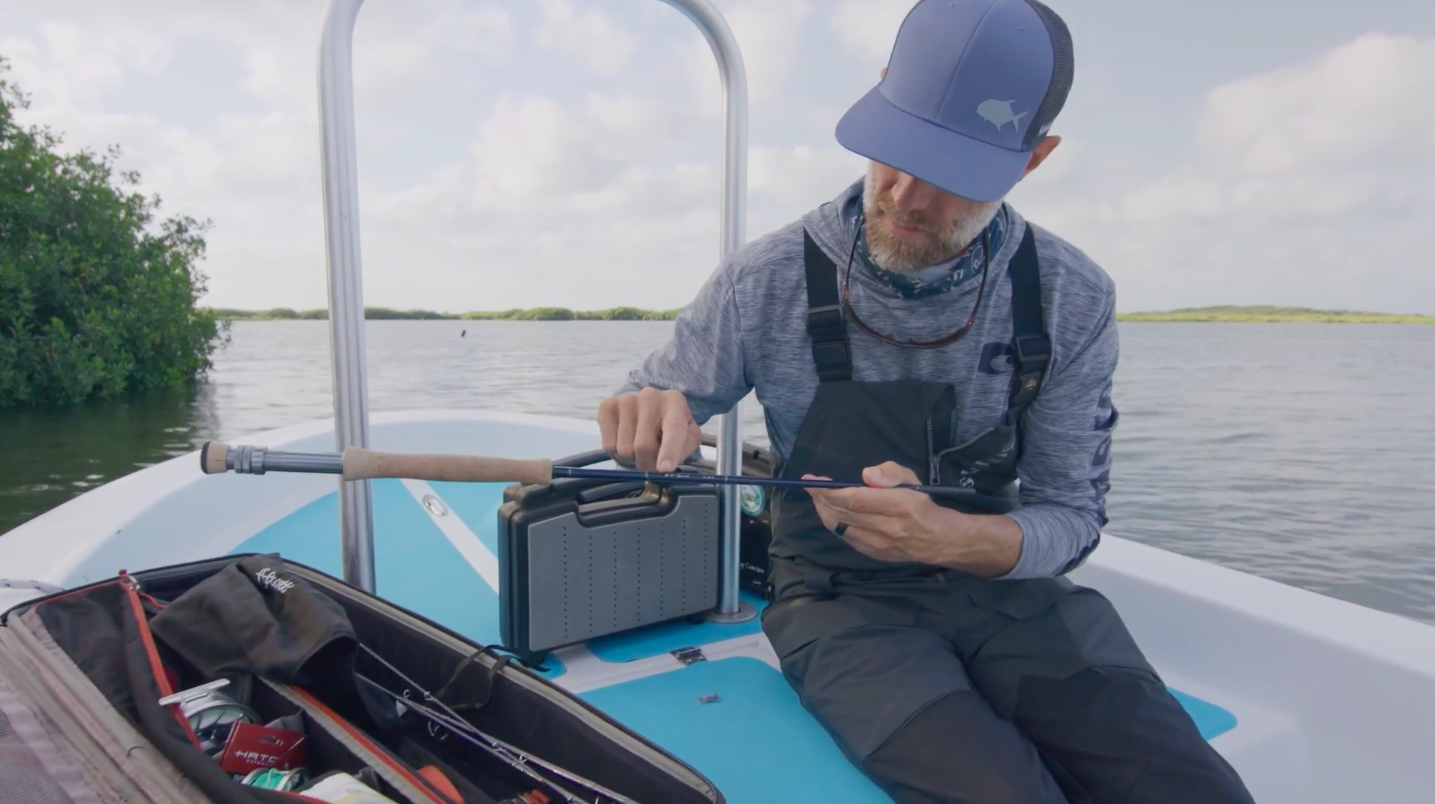
Saltwater fly fishing can involve a lot of gear. Between the rods, reels, lines, flies, wading boots, and sunglasses, it’s easy to feel like you need a truckload of equipment before you ever hit the water. Fortunately, you can keep things much simpler than that.
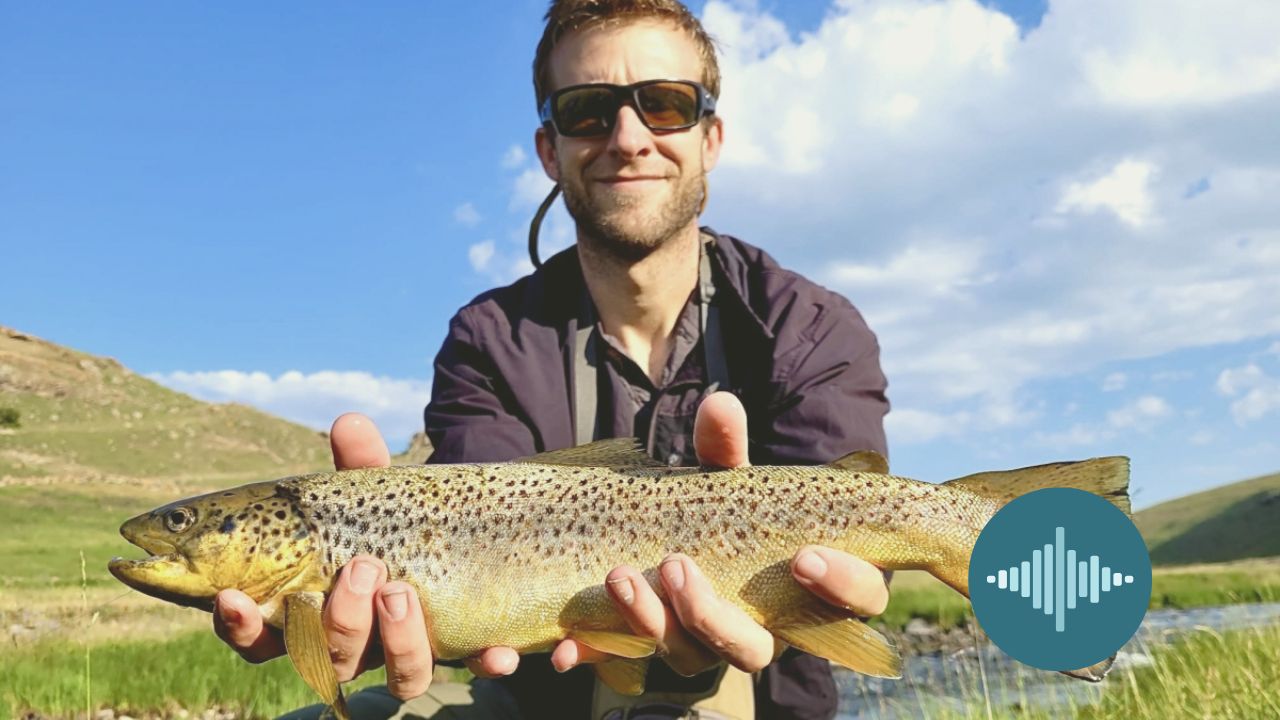
Tad Murdock is a fly fisher, guide, and author whose 25-year mission to catch every salmonid species on the fly eventually became his book Trout of the World: A Fly Fisher’s Journey to Catch Every Salmonid Species. What began in Oklahoma City at age 25 turned into a global pursuit that took him from New Mexico and Japan to Russia, Morocco, Turkey, and beyond, chasing some of the rarest and most geographically isolated trout and salmonids on the planet.
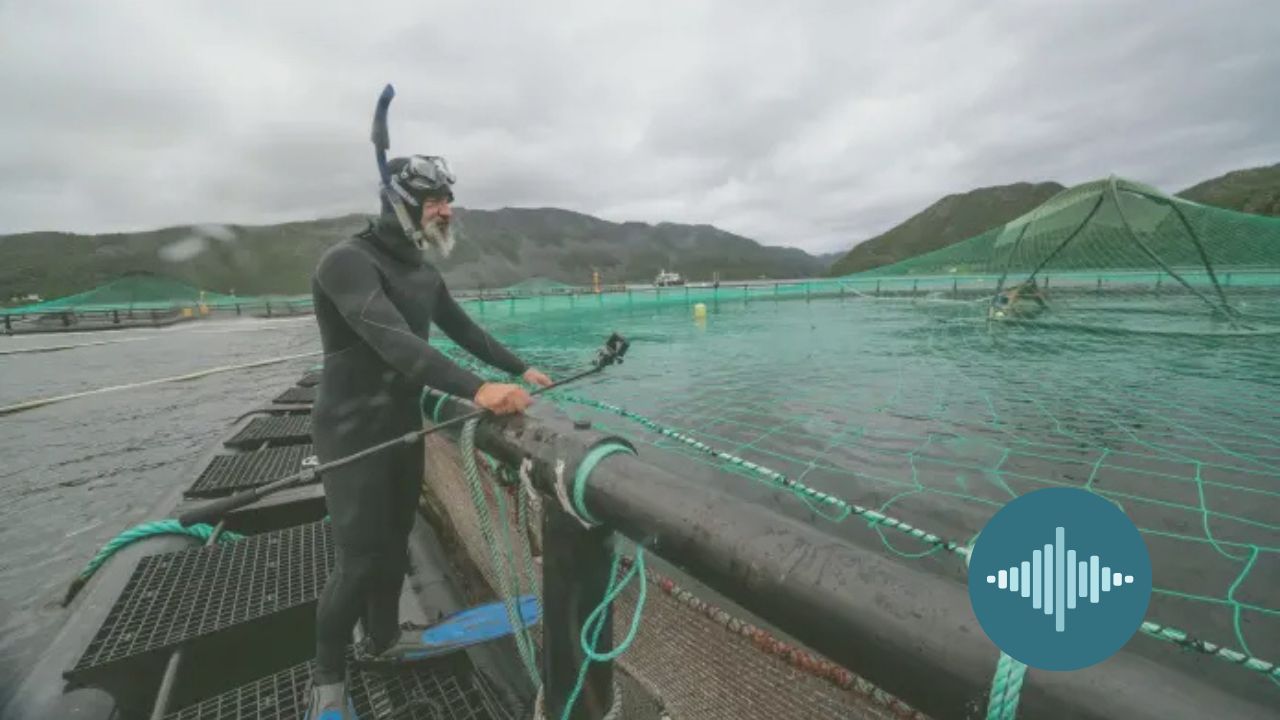
In this episode of Anchored, Josh and I talk about his early fascination with water and Jacques Cousteau, his transition into filmmaking, his work with Patagonia, the emotional weight of documentary storytelling, and why he believes powerful films should do more than entertain... they should give people a reason to care and a way to act.